Design Inspiration:
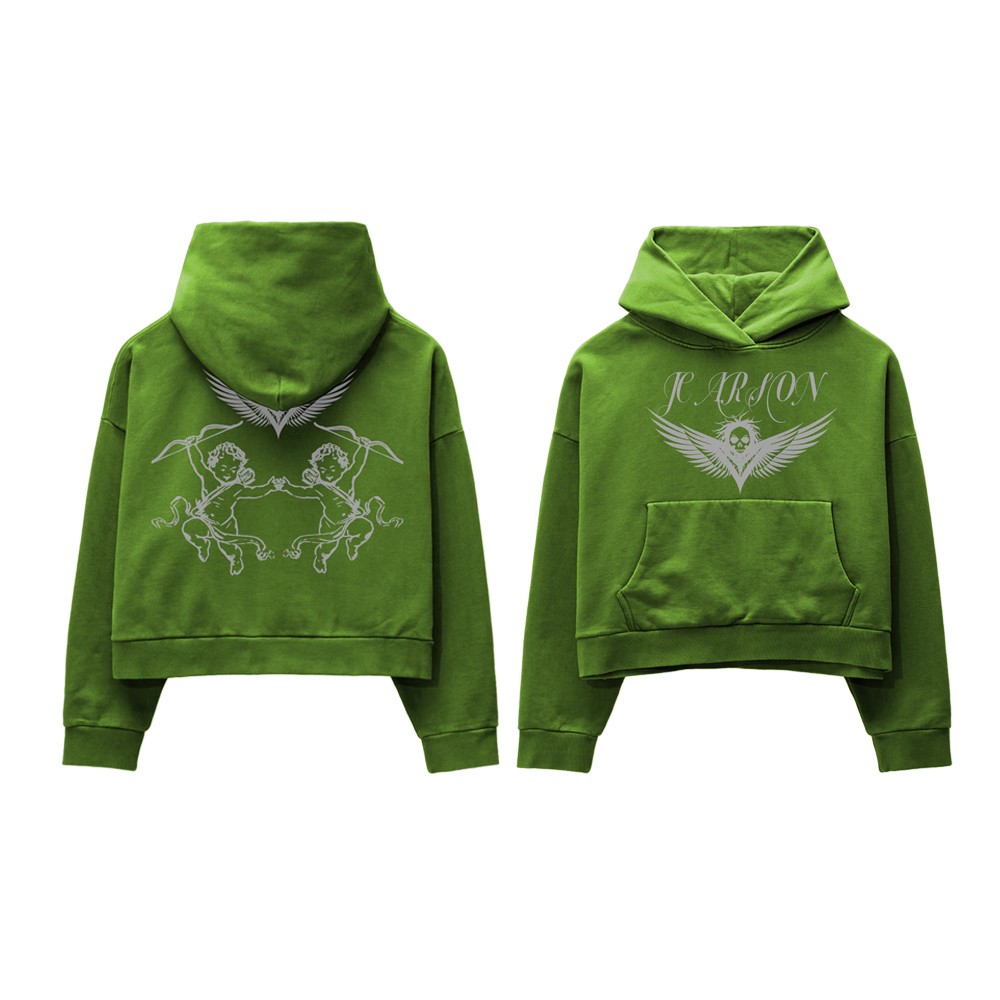
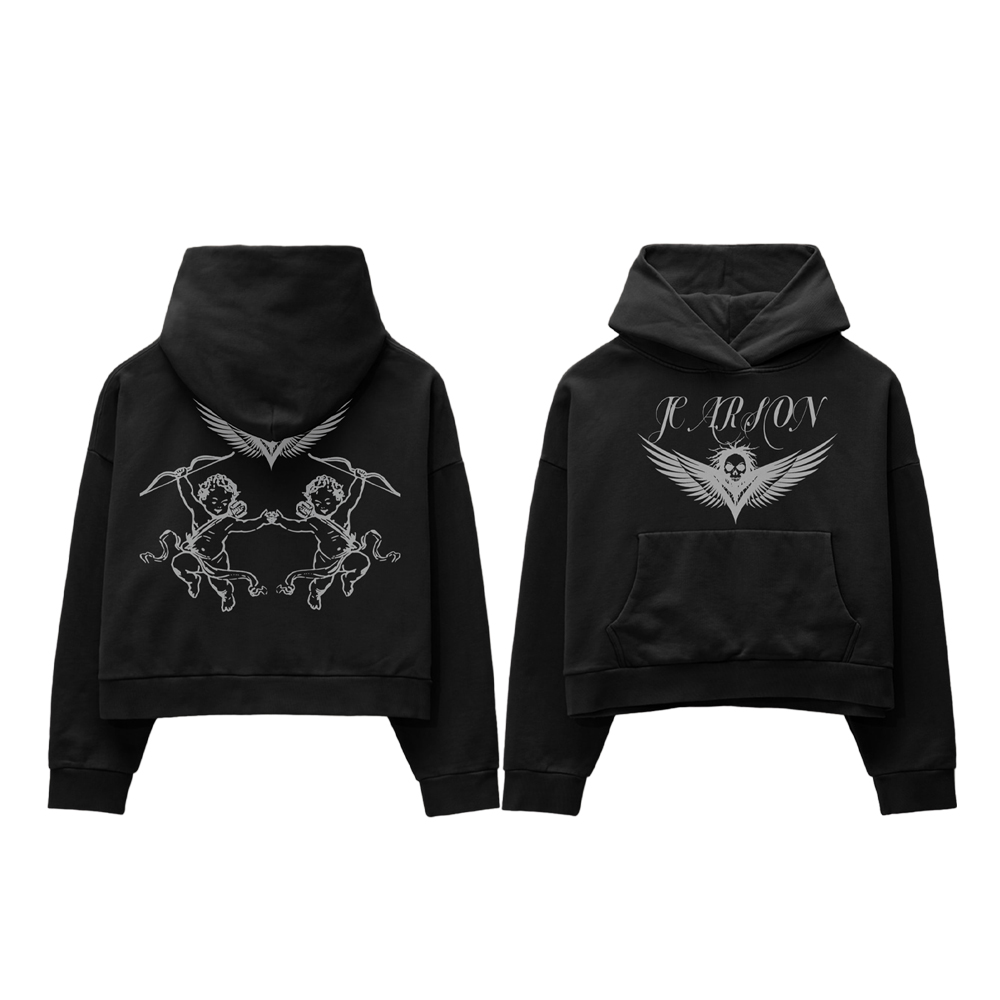
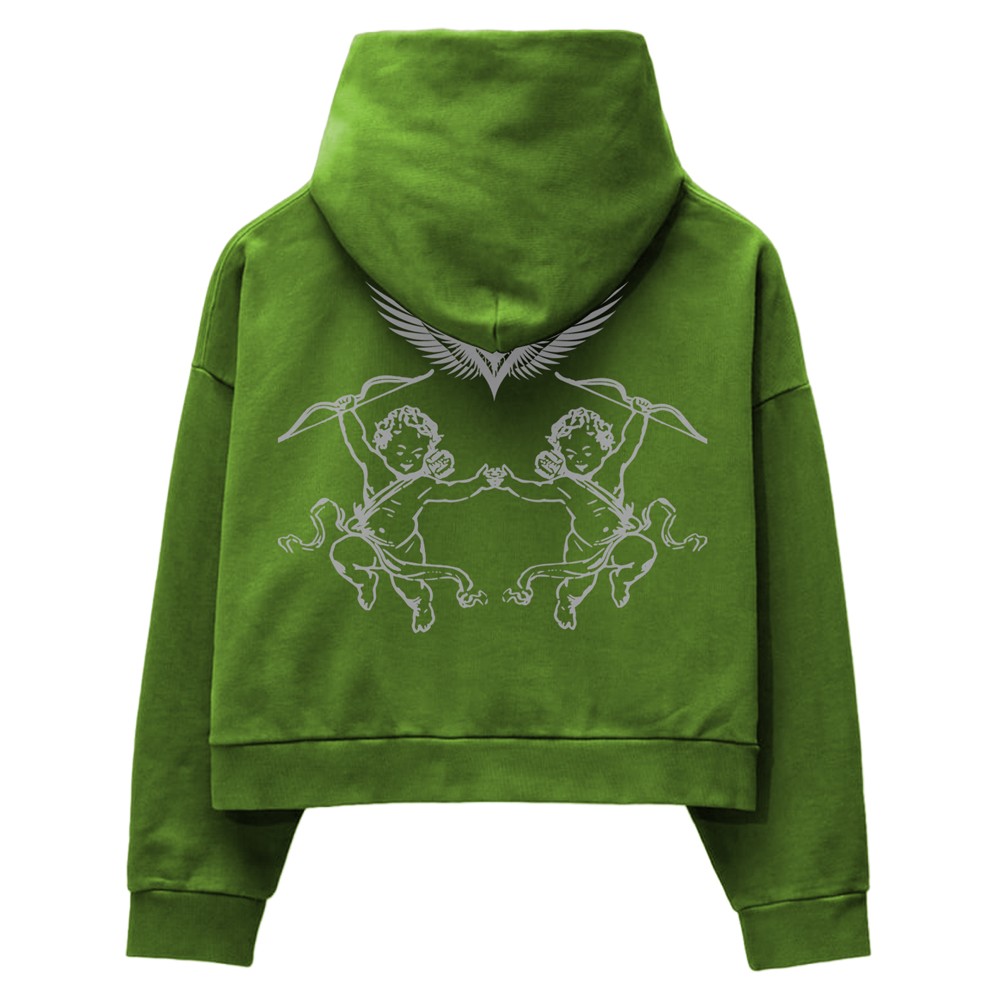
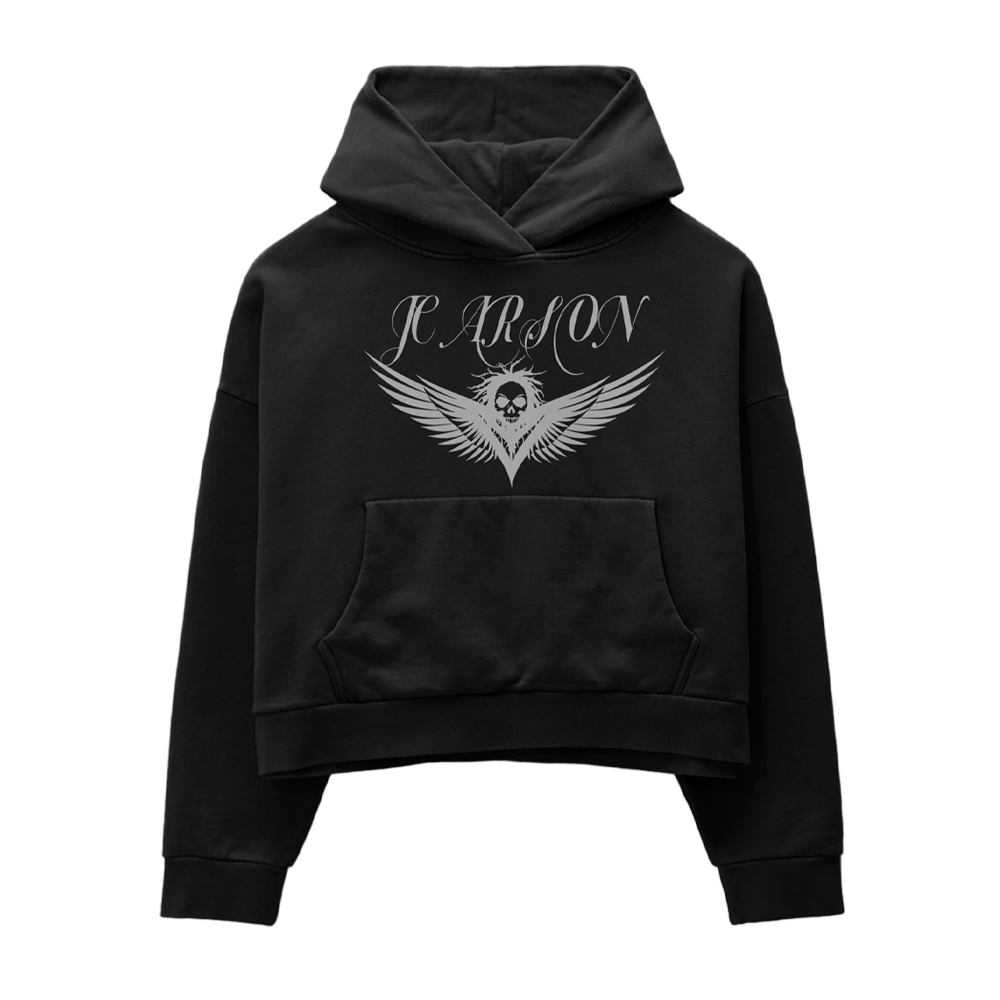
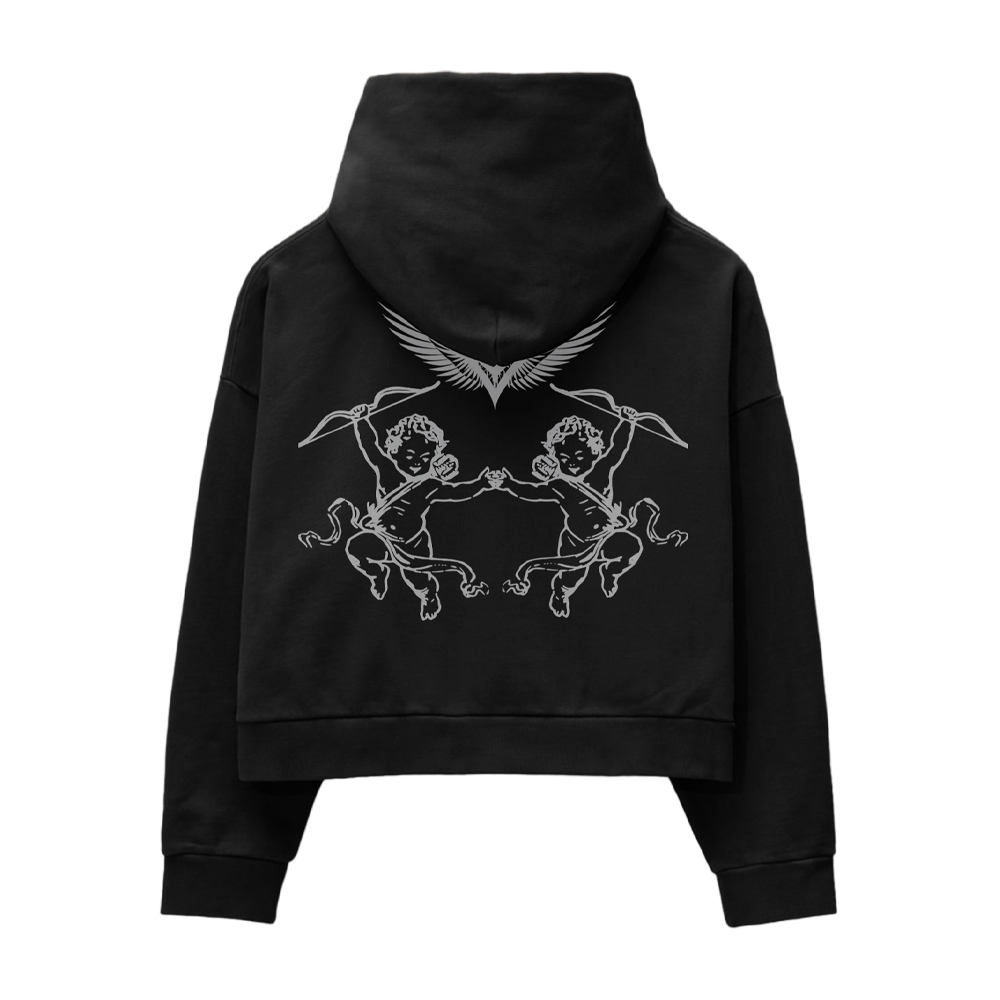
The elements of Cupid the Love God, wings, and skulls: Cupid traditionally represents romance, desire, and the connection of emotions, but the bow and arrow he holds also imply the dual nature of "the harm of love" - love can bring sweetness, but it can also trigger pain and destruction. The symmetrical double Cupid design symbolizes the mutual dependence in love (holding hands) and also implies the mirroring nature of emotional relationships (such as love and hate, sweetness and pain coexisting).
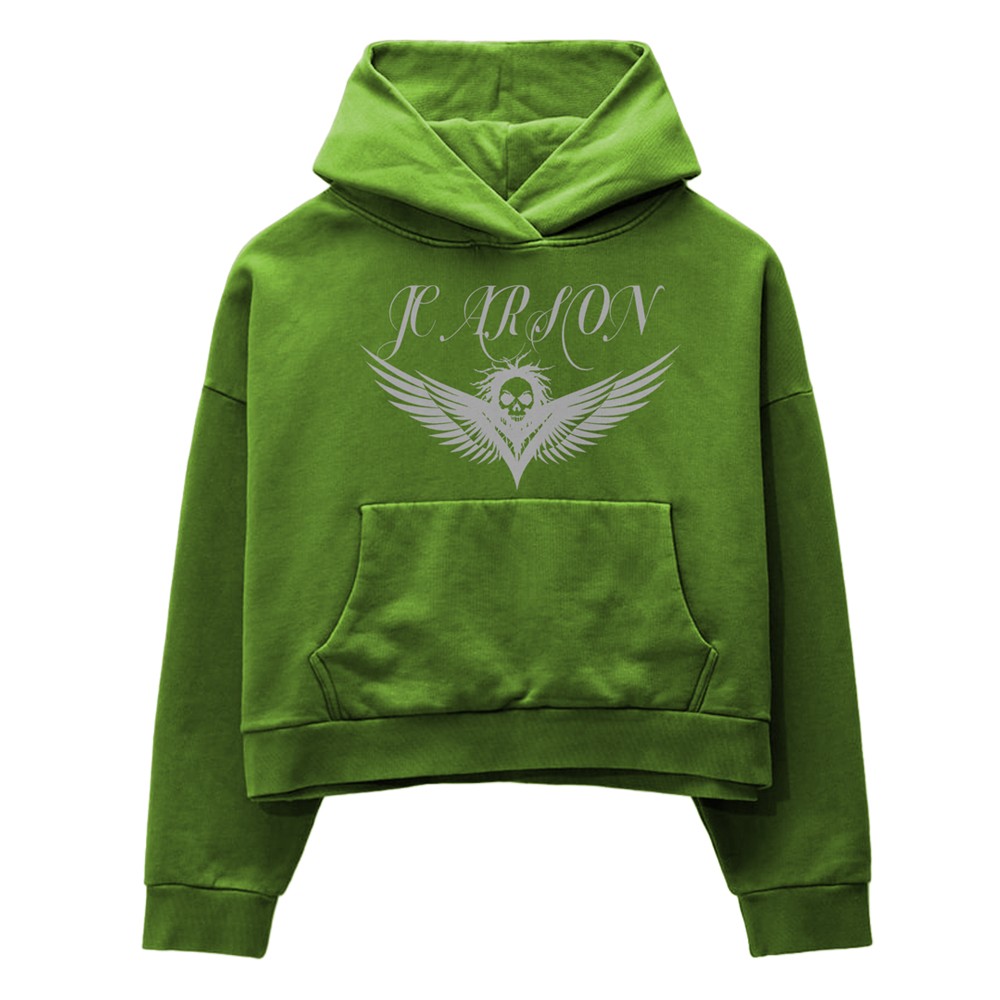
Skulls and Wings: The skull is a symbol of death and termination, while the wings give it supernatural control, symbolizing "the dominance of fate over love". It floats above the Love God, like a shadow, suggesting that love may eventually lead to extinction, or death is the ultimate metaphor of love (such as "the extinction of love", "the annihilation of passion"). This opposing combination (love and death, beauty and darkness) forms a strong philosophical conflict, triggering thoughts about life and the essence of emotions.
Source of Inspiration and Cultural Context, Gothic Culture Influence: Drawing on the obsession of Gothic art with "the aesthetics of death", placing romantic elements (the Love God) and dark symbols (the skull) together, exploring the deep contradictions of emotions and existence, such as "the immortality of love and the fragility of life" in a dialectical relationship.
Integration of Mythology and Modernity: Reinterpreting the traditional image of the Love God, stripping away its simple sweet attributes, giving it a dark dimension (such as the aggression of the bow and arrow, the oppression of the skull), reflecting the complexity of love in modern society (such as the interweaving of desire and destruction, the conflict between romance and reality).
Expansion of Visual Metaphor: Through the recombination of symbols (Love God + death wings), creating new visual metaphors - love is no longer purely beautiful, but is accompanied by the power of destruction, like "a thorny rose", beauty and danger coexisting. This expression not only continues the rebellious spirit of Gothic art but also aligns with contemporary people's diverse understanding of the emotional world.
Emotional Resonance and Audience Interaction.
The work triggers viewers' personalized interpretations of "love and death" through strong visual symbols: some see the fragility and impermanence of love, some feel the destructive power of desire, and some ponder the coexistence of beauty and darkness in life. Through the purity of black and white, the symmetrical order, and the conflict of symbols, the work breaks the singularity of traditional romantic narratives and invites viewers to reflect on the essence of emotions in the dark aesthetic, experiencing a visual philosophy about love and fate.
This work is based on a Gothic dark romance tone, through the deconstruction and recombination of symbols, deeply exploring the philosophical connotations of "love and death", achieving a modern reinterpretation of traditional themes at the visual and ideological levels, becoming an artistic expression with both aesthetic tension and spiritual depth.